UGCJune 25, 2026· 5 min read
Why UGC still wins on Meta — and how to brief it well
Phone-shot, real-person content keeps out-lasting polished ads on Meta. Here's why, and a brief template that gets you usable footage instead of awkward reads.
Phone-shot, real-person content keeps out-lasting polished ads on Meta. Here's why, and a brief template that gets you usable footage instead of awkward reads.
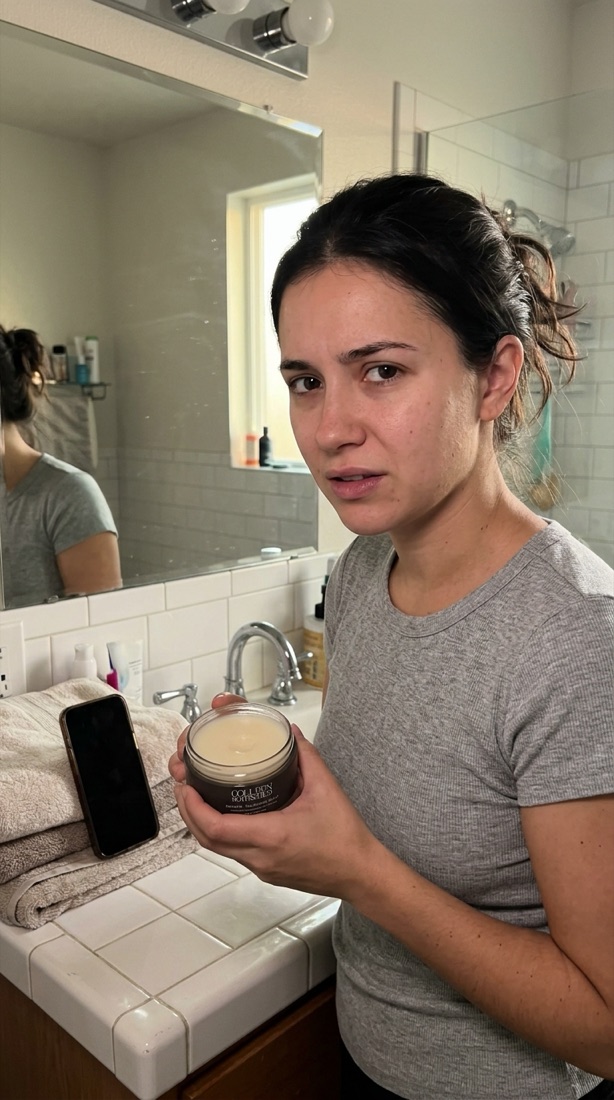
Pull any spy tool, sort by longest active lifespan, and the top of the list is mostly UGC. Not because polish is bad. Because feeds are personal, and an ad that looks like a friend's post gets the benefit of the doubt a studio spot never will.
Three reasons. It looks native, so it earns the 1.5-second hook. It's cheap to produce, so you can make a lot of it and beat fatigue on volume. And it carries built-in proof: a real person using a real product reads as a review, not a pitch.
Hand a creator a script full of your brand adjectives and you get a stiff, obvious read. Brief the hook and the point, then let them say it their way. The magic is in how a real person actually talks about the problem, not in your positioning language.
The best UGC briefs aren't invented, they're derived. When a UGC concept wins, read why: the hook, the persona, the moment. Then brief the next one against it. That's how a swipe file of proven angles becomes a repeatable pipeline instead of a lucky streak.
See it on your own ads.
Connect read-only in under an hour and generate your first grounded batch free.